


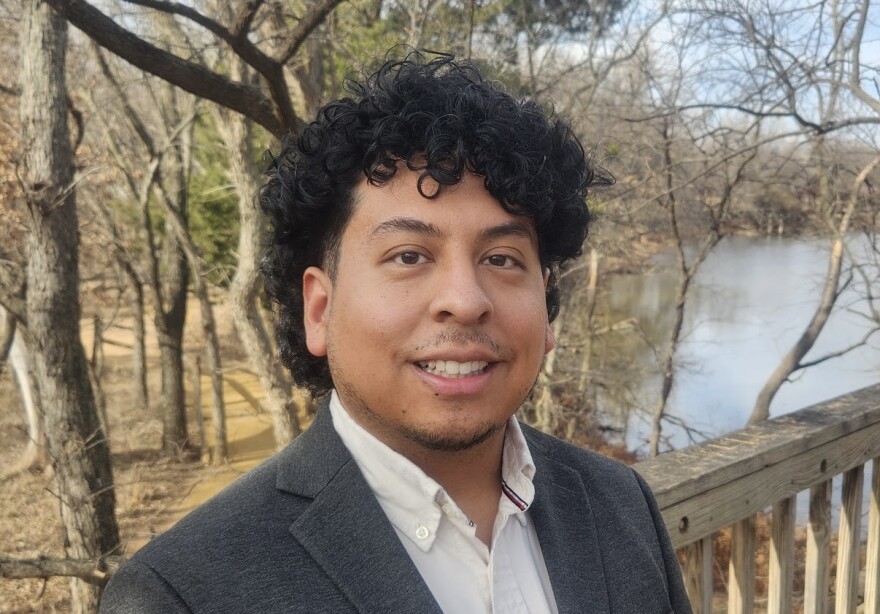

OKLAHOMA CITY — On Tuesday, Feb. 10, Oklahoma City will hold a mayoral election. The incumbent, Mayor David Holt, is challenged by candidate Matthew Pallares.
All registered Oklahoma City voters are eligible to vote.
To find your polling location, look at your voter ID card or use the Oklahoma State Election Board website at ok.gov/elections.
The mayor and council are nonpartisan, and members serve part-time at the head of the City’s Council-Manager form of government. The mayor’s annual salary is $24,000, and council members make $12,000 annually.
The mayor, elected at large, serves alongside eight city council members who represent each of Oklahoma City’s eight wards. Together, they comprise the Oklahoma City Council.
Holt was first elected mayor of Oklahoma City on Feb. 13, 2018, and formally took office on April 10, 2018, becoming the city’s 38th mayor. In 2018, Holt won 78.5% of the vote, becoming the city’s first Native American mayor (as a member of the Osage Nation) and, then age 39, the youngest mayor of Oklahoma City since 1923 and the youngest mayor of a U.S. city over 500,000. Holt was re-elected in 2022, winning 82% of the vote.
Before becoming mayor, he served in the Oklahoma Senate for eight years and was chief of staff to former Mayor Mick Cornett.
Pallares, age 34, works in administration for the Greater Oklahoma City Hispanic Chamber of Commerce.
Pallares, who has not previously held public office, said his focus is on economic development for small business owners and a better quality of life for Oklahoma City residents.
“I think we need a mayor that is accountable and accessible to everyday, hard-working, normal OKC residents and families,” Pallares said. “It feels like there’s a disconnect” between the development occurring downtown and other parts of the city, he said.
“As someone born and raised in OKC, I love this city,” said Pallares. “There are some parts that are neglected and ignored, such as the Northeast Side and the South Side. I want to see all corners of OKC lifted up.”
Pallares said when his parents died in a car accident about a year ago, he saw how quickly things can change for ordinary Oklahoma City residents.
“I saw how easy it was to fall through the cracks in the system, how one day you have a normal life and how soon you could be on the verge of homelessness,” he said, noting that he has become primary caretaker for his physically disabled brother.
“One of my main focuses is local ownership,” he continued. “Not just in OKC but around the country and the world, private equity firms from out of state are buying up our institutions, basically asset-stripping them, and it’s a race to the bottom. Promoting local ownership would go a long way to seeing all corners of this city lifted.”




