(AURN News) — On March 25, 1931, nine Black teenage boys were falsely accused of raping two white women on a train in Scottsboro — a case that became one of the most infamous examples of racial injustice in American history.
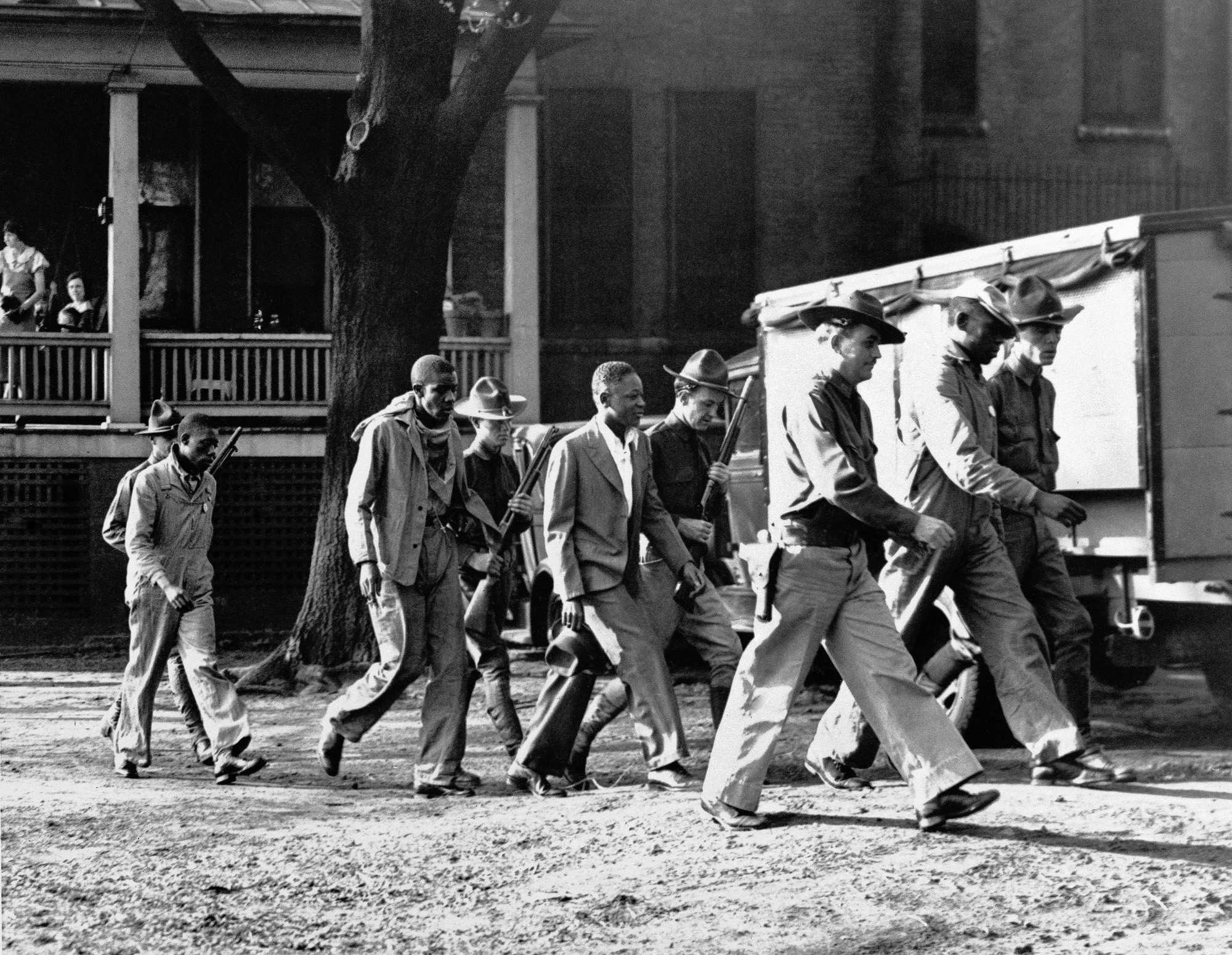
In this April 6, 1933 file photo, four of the Scottsboro Boys prisoners are escorted by heavily-armed guards into the Decatur, Ala., courtroom. Now that the Alabama Legislature is allowing posthumous pardons for the Scottsboro Boys, the nine African-American youths wrongfully convicted of raping two caucasian women more than 80 years ago, there is still much work to be done before their names are officially cleared. (AP Photo/File)
Known as the Scottsboro Boys case, the teens — some as young as 13 — were quickly arrested, nearly lynched by a mob and subjected to rushed, deeply biased trials.
All-white juries convicted them despite weak and contradictory evidence and sentenced most to death.
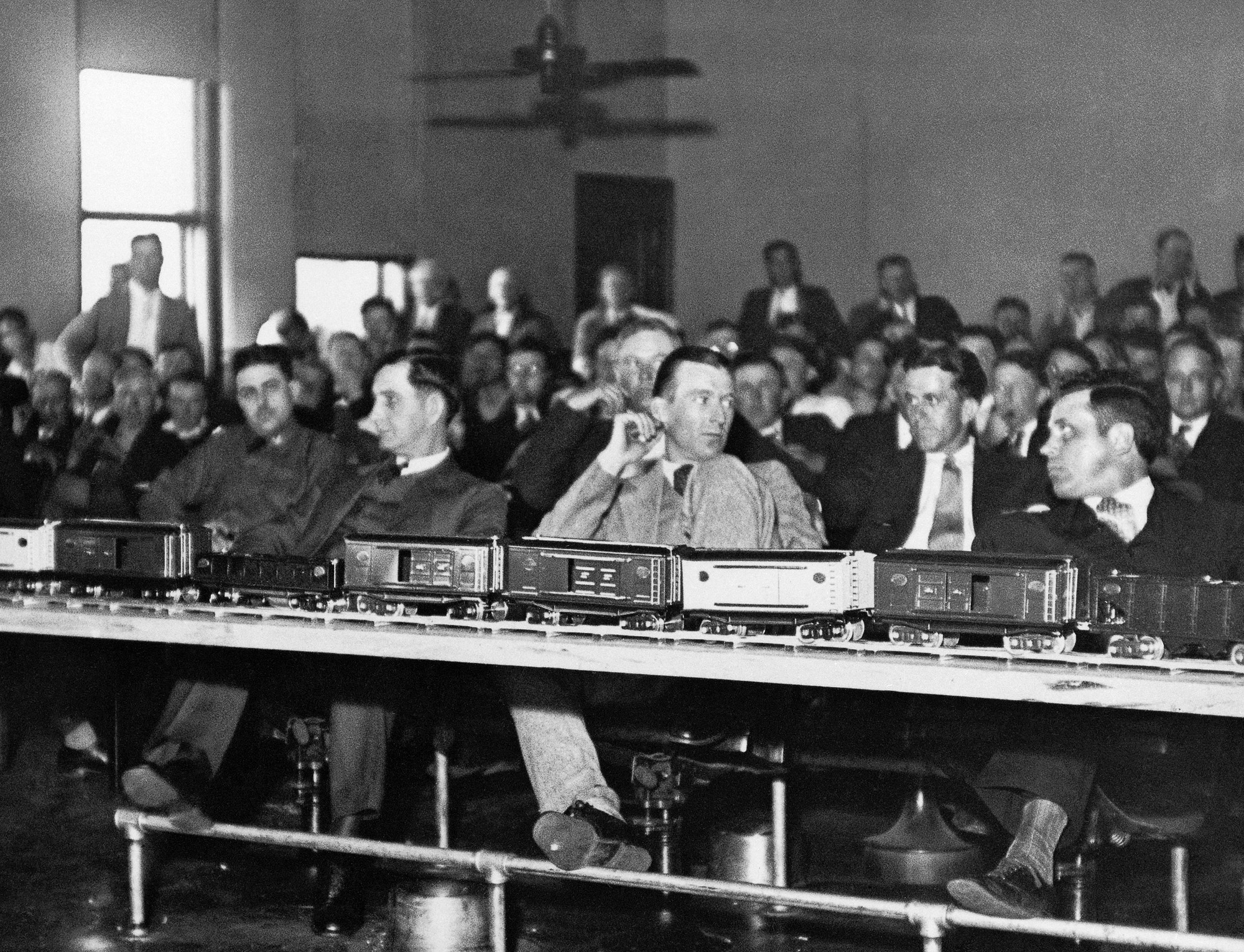
This March 31, 1933 file photo shows some of the 12 men of Morgan County, Decatur, Ala. chosen for the jury in the retrial of Heywood Patterson, one of the nine African American teenagers, known as the Scottsboro Boys, convicted of attacking two white girls who were riding on a freight train. (AP Photo)
Though the U.S. Supreme Court later overturned the convictions in a series of rulings, years of retrials followed.
Their lives were shattered with long prison terms, and lasting trauma. One of the accusers, Ruby Bates, later recanted, admitting the allegations were false.
- Advertisement -
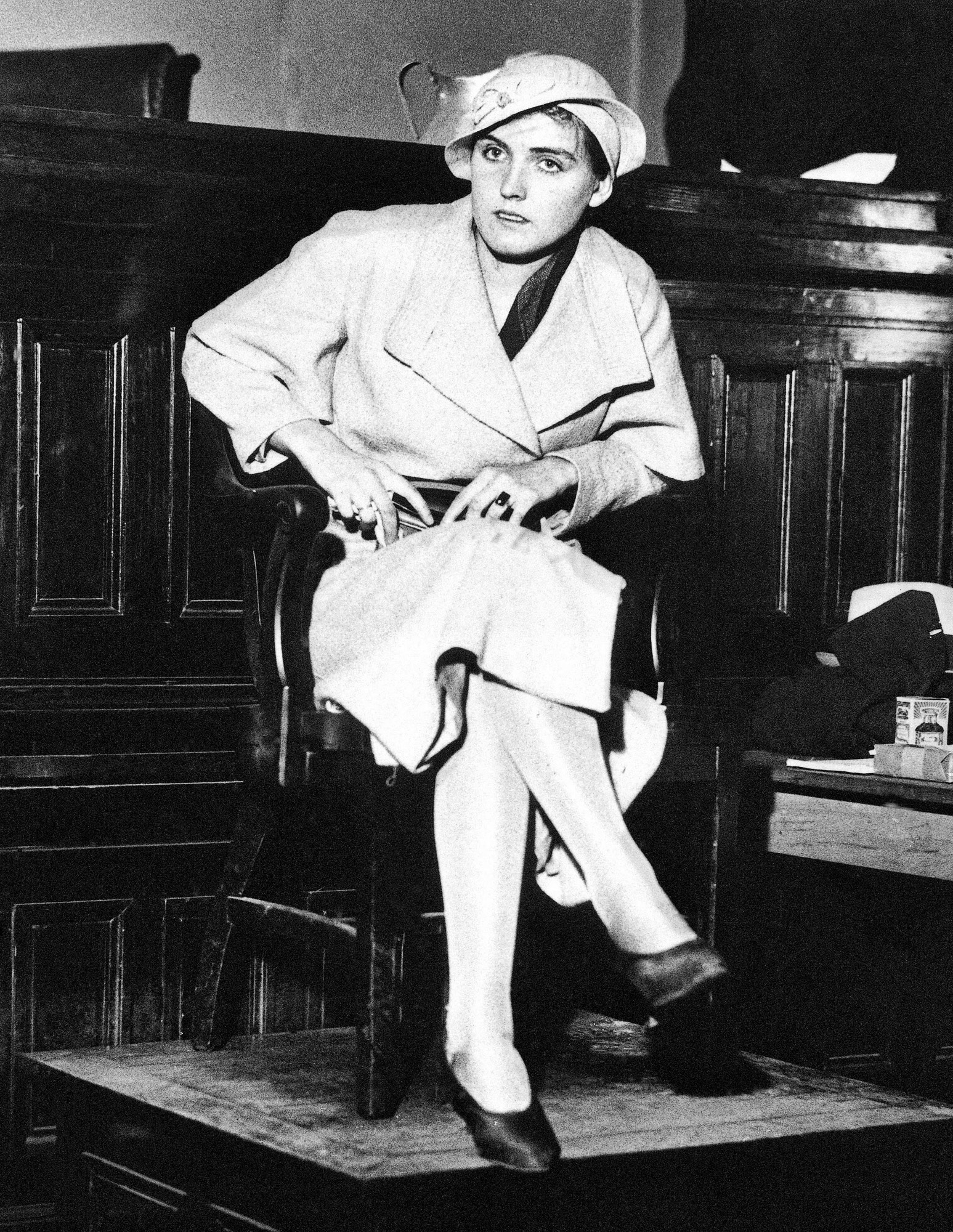
In this April 7, 1933 file photo, Ruby Bates sits in the witness stand in a courtroom in Decatur, Ala. Saying that Dr. Harry Emerson Fosdick had urged her to tell the truth, Bates denied that the nine black teenagers, known as the Scottsboro Boys, had assaulted her and her companion Victoria Price. (AP Photo)