




(AURN News) — One hundred years ago this week, Negro History Week began — an observance that would later grow into what is now known as Black History Month.
The commemoration was launched in 1926 by historian Dr. Carter G. Woodson, who sought to spotlight the achievements and contributions of Black Americans that were routinely ignored in mainstream historical narratives. Often called the “Father of Black History,” Woodson dedicated his career to ensuring that Black life and history were documented, studied and understood as central to the American story.
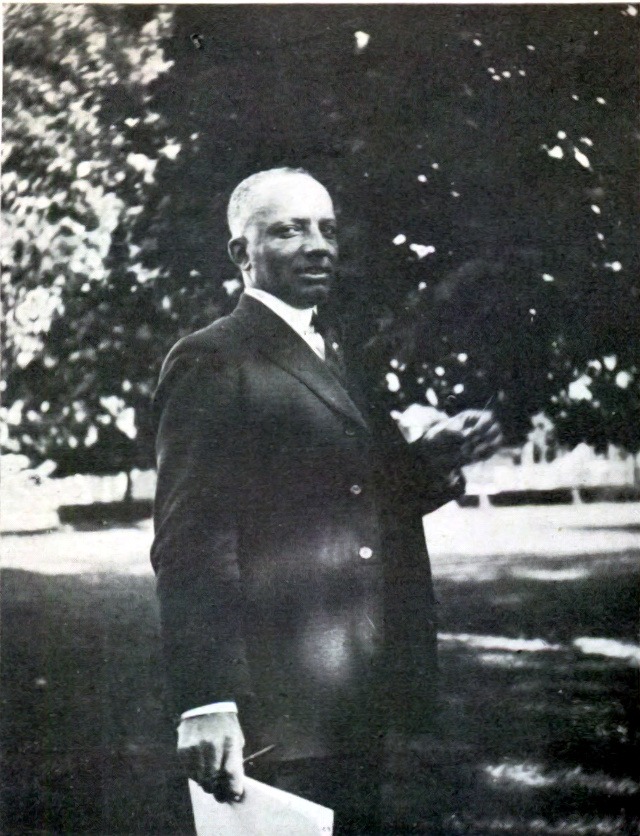
Woodson, the founder of the Association for the Study of African American Life and History, intentionally chose the second week of February to honor the birthdays of abolitionist Frederick Douglass and President Abraham Lincoln — two figures closely tied to the struggle for Black freedom and citizenship.
Born to formerly enslaved parents, Woodson went on to earn a doctorate from Harvard University, becoming one of the first descendants of enslaved people to receive a PhD from the institution. His work emphasized education as a tool of empowerment and self-determination. In his 1933 book, “The Mis-Education of the Negro,” Woodson wrote that people who fail to learn to rely on themselves “never obtain any more rights or privileges in the end than they had in the beginning.”
What began as a week-long educational initiative quickly gained national support from Black schools, churches and civic organizations, which used the observance to teach history that had long been excluded from textbooks.
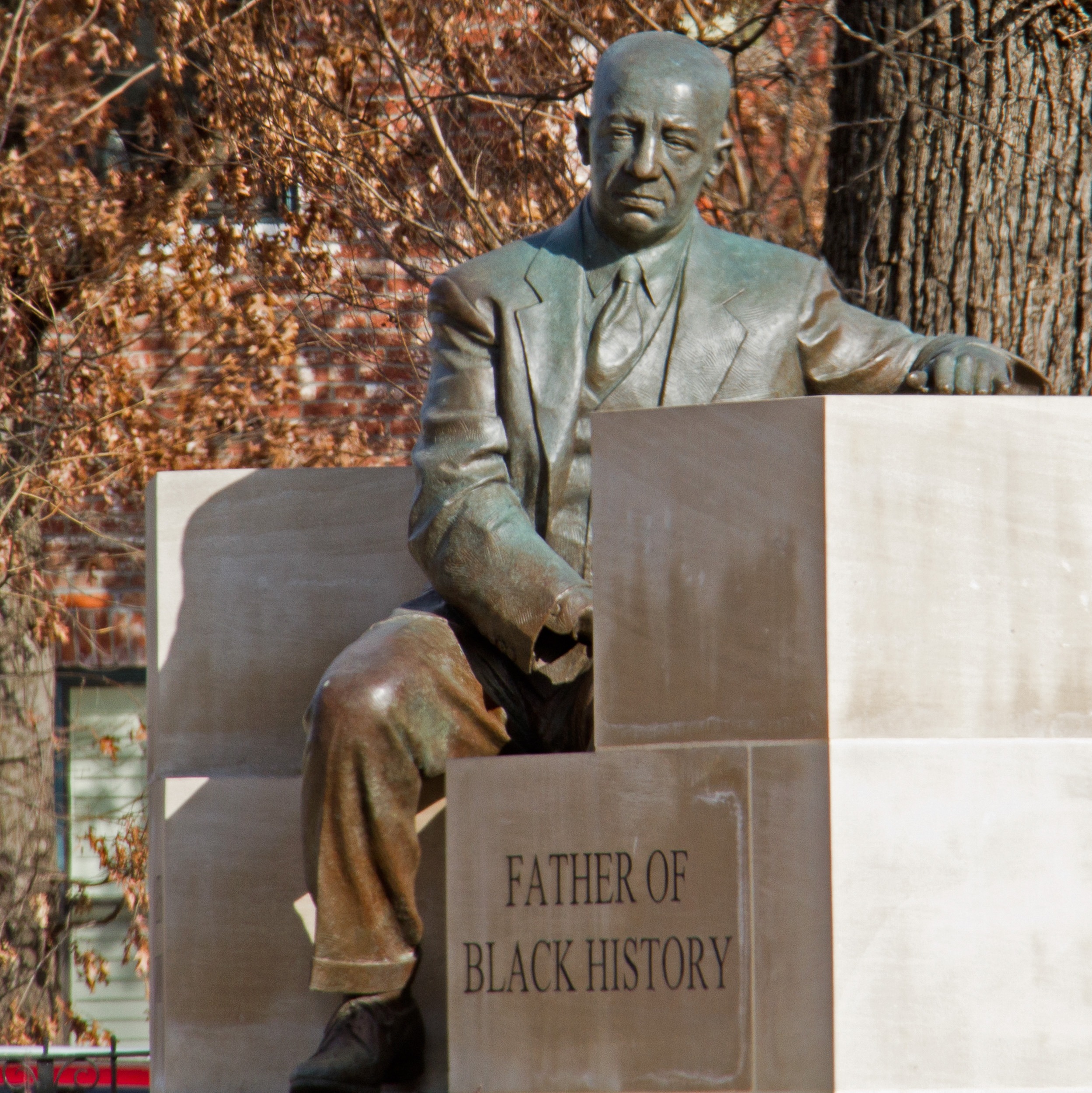
The movement steadily expanded, and in 1976 — the nation’s bicentennial year — the observance was officially recognized as Black History Month, extending the celebration to the entire month of February.
A century after its founding, Woodson’s mission — to center Black people within the story of America and the world — remains as relevant as ever, continuing to shape how history is taught, studied and remembered.
Click play to listen to the AURN News report from Clay Cane. Follow @claycane & @aurnonline for more.
The post From Negro History Week to Black History Month: 100 Years Later appeared first on American Urban Radio Networks.




